Every Child Seen
Every Rhythm Respected
Every Child Seen
Every Rhythm Respected
Every Child Seen
Every Rhythm Respected
Every Child Seen
Every Rhythm Respected


Everyday Life Is Education
Everyday Life Is Education
Through repeated daily experiences, children build independence, a sense of order, confidence, and self-reliance.
Through repeated daily experiences, children build independence, a sense of order, confidence, and self-reliance.
Through repeated daily experiences, children build independence, a sense of order, confidence, and self-reliance.
Through repeated daily experiences, children build independence, a sense of order, confidence, and self-reliance.
Independence in Daily Life
Independence in Daily Life
Independence in Daily Life
Each "I can do it myself" moment builds confidence and independence.
Each "I can do it myself" moment builds confidence and independence.
Each "I can do it myself"moment builds confidence and independence.
Each "I can do it myself" moment builds confidence and independence.
Dressing, washing hands, eating, brushing teeth, tidying up, and using the toilet are more than routines—they are opportunities to practice self-care. Each time children complete a task on their own, they discover, "I can do it." building independence and confidence.
Dressing, washing hands, eating, brushing teeth, tidying up, and using the toilet are more than routines—they are opportunities to practice self-care. Each time children complete a task on their own, they discover, "I can do it." building independence and confidence.
Dressing, washing hands, eating, brushing teeth, tidying up, and using the toilet are more than routines—they are opportunities to practice self-care. Each time children complete a task on their own, they discover, "I can do it." building independence and confidence.
Dressing, washing hands, eating, brushing teeth, tidying up, and using the toilet are more than routines—they are opportunities to practice self-care. Each time children complete a task on their own, they discover, "I can do it." building independence and confidence.

Movement & Rhythm
Movement & Rhythm
Movement & Rhythm
A steady daily rhythm helps children feel secure and strong.
A steady daily rhythm helps children feel secure and strong.
A steady daily rhythm helps children feel secure and strong.
The day moves like breathing, balancing activity and rest, indoors and outdoors, focus and freedom. Within a steady yet flexible rhythm, children develop a sense of order and security, while sunlight, movement, and restful sleep support healthy bodies and active minds.
The day moves like breathing, balancing activity and rest, indoors and outdoors, focus and freedom. Within a steady yet flexible rhythm, children develop a sense of order and security, while sunlight, movement, and restful sleep support healthy bodies and active minds.
The day moves like breathing, balancing activity and rest, indoors and outdoors, focus and freedom. Within a steady yet flexible rhythm, children develop a sense of order and security, while sunlight, movement, and restful sleep support healthy bodies and active minds.
The day moves like breathing, balancing activity and rest, indoors and outdoors, focus and freedom. Within a steady yet flexible rhythm, children develop a sense of order and security, while sunlight, movement, and restful sleep support healthy bodies and active minds.

Supportive Guidance
Supportive Guidance
Supportive Guidance
Understanding each child's feelings and needs, and responding with care.
Understanding each child's feelings and needs, and responding with care.
Understanding each child's feelings and needs, and responding with care.
Silence, tears, refusal, and excitement all carry meaning. Rather than labeling behavior, teachers observe from the child’s perspective and offer warm, clear guidance while respecting individual rhythms. When children feel understood, trust grows— along with their willingness to express themselves, try, and explore.
Silence, tears, refusal, and excitement all carry meaning. Rather than labeling behavior, teachers observe from the child's perspective and offer warm, clear guidance while respecting individual rhythms. When children feel understood, trust grows— along with their willingness to express themselves, try, and explore.
Silence, tears, refusal, and excitement all carry meaning. Rather than labeling behavior, teachers observe from the child's perspective and offer warm, clear guidance while respecting individual rhythms. When children feel understood, trust grows— along with their willingness to express themselves, try, and explore.
Silence, tears, refusal, and excitement all carry meaning. Rather than labeling behavior, teachers observe from the child’s perspective and offer warm, clear guidance while respecting individual rhythms. When children feel understood, trust grows— along with their willingness to express themselves, try, and explore.

Mixed-Age Environment
Mixed-Age Environment
Mixed-Age Environment
Children ages 18 months–6 years play, learn, and share daily life together. Younger children gain courage through observation and imitation; older children develop responsibility through cooperation and care. Together, they learn to wait, communicate, negotiate, and care for others while growing at their own pace.
Children ages 18 months–6 years play, learn, and share daily life together. Younger children gain courage through observation and imitation; older children develop responsibility through cooperation and care. Together, they learn to wait, communicate, negotiate, and care for others while growing at their own pace.
Children ages 18 months–6 years play, learn, and share daily life together. Younger children gain courage through observation and imitation; older children develop responsibility through cooperation and care. Together, they learn to wait, communicate, negotiate, and care for others while growing at their own pace.
Children ages 18 months–6 years play, learn, and share daily life together. Younger children gain courage through observation and imitation; older children develop responsibility through cooperation and care. Together, they learn to wait, communicate, negotiate, and care for others while growing at their own pace.
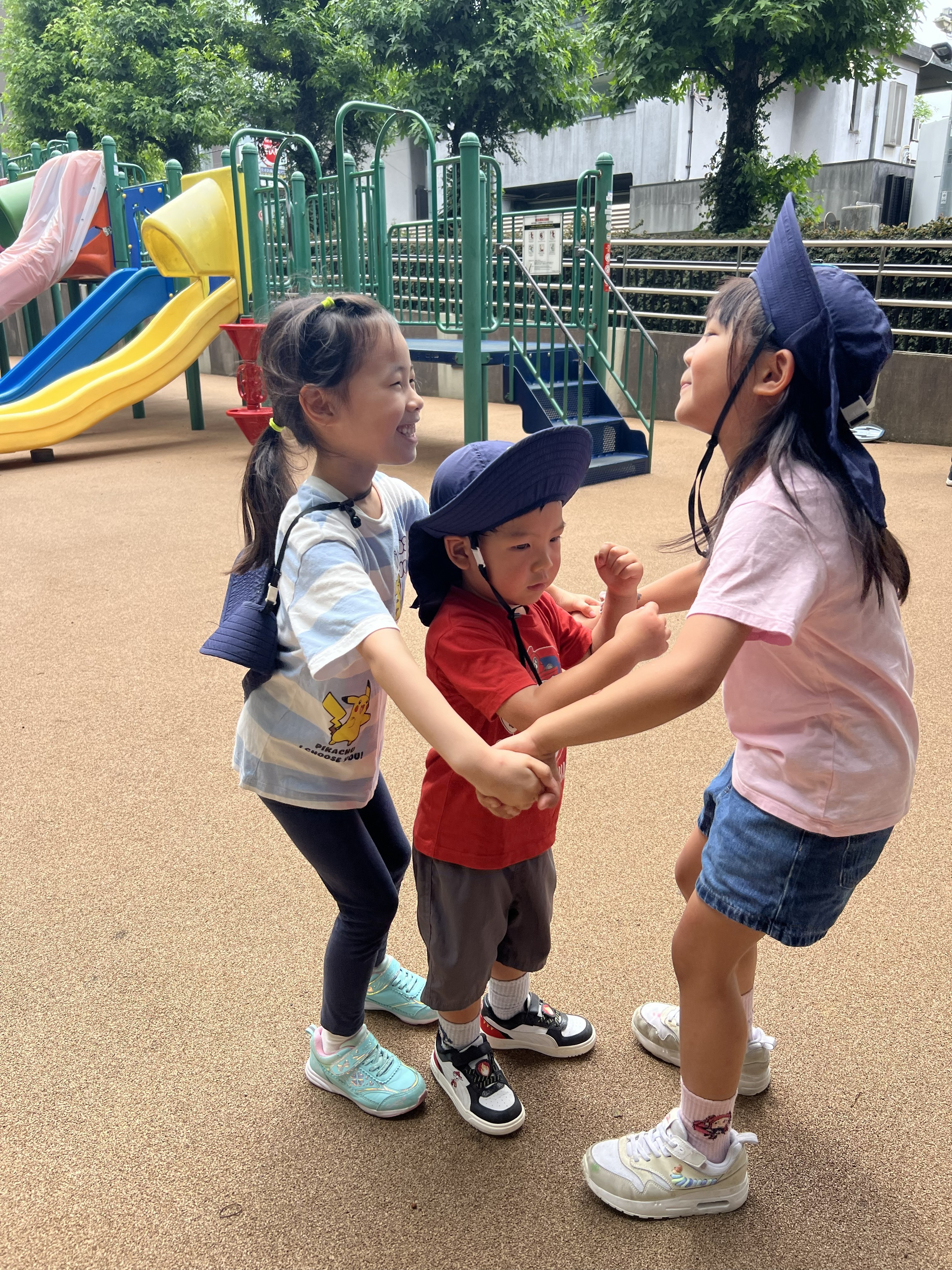
Children who feel seen and understood gain the courage to express themselves and explore the world.
Children who feel seen and understood gain the courage to express themselves and explore the world.
Children who feel seen and understood gain the courage to express themselves and explore the world.
Children who feel seen and understood gain the courage to express themselves and explore the world.